March 30, 2026
Construction projects can be complex, costly, and time-consuming—especially when common mistakes go unchecked. From skipping proper planning to choosing the wrong materials or lacking clear communication, these pitfalls can derail timelines, inflate budgets, and compromise quality. Working with an experienced local contractor can help you navigate these challenges, ensuring your project stays on track, on budget, and built to last. Understanding and avoiding these key mistakes is the first step toward a successful construction outcome.
Mistake 1: Skipping Proper Planning
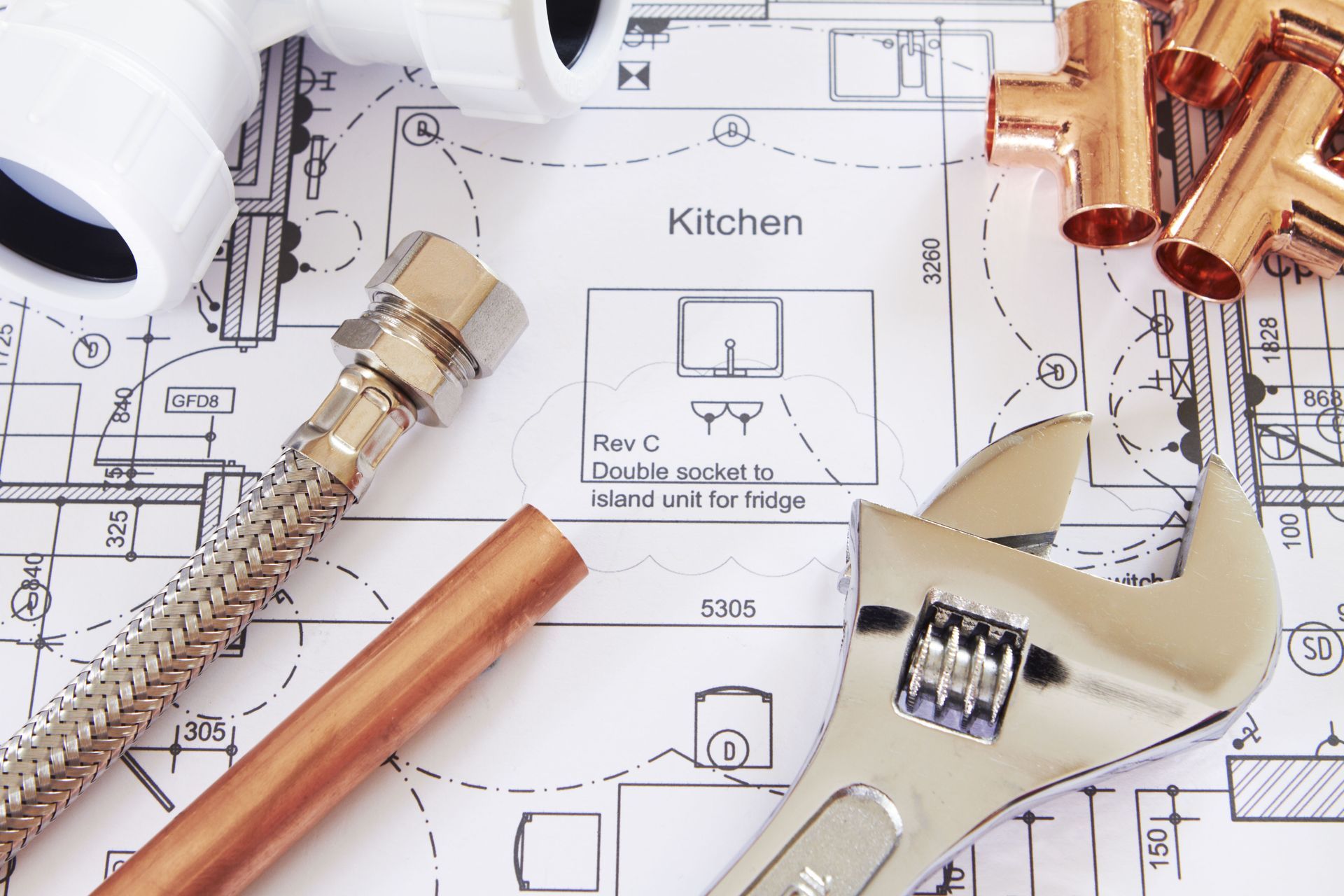
Proper planning is the foundation of a successful construction project. A local contractor brings a wealth of experience and can foresee potential challenges before they arise. This foresight allows for the creation of a comprehensive plan that covers every aspect of the project. From scheduling to resource allocation, meticulous planning helps avoid unnecessary complications and delays. When every stakeholder understands the plan, the chances of miscommunication are significantly reduced.
Contractors play a pivotal role in aligning team efforts with project goals through comprehensive planning. They provide a framework that outlines each step of the process to manage expectations from the onset. With their expertise, contractors help identify potential risks and implement mitigation strategies. A well-laid plan is akin to a road map—a guide that ensures the project remains on course throughout its lifecycle. Employing these strategies results in a more streamlined and efficient construction process.
According to Construction Connect, 2025 has been the most active year for data center projects, with over $400 billion in future projects already published. This indicates a growing need for meticulous planning in construction. The increasing complexity of projects necessitates effective planning to meet industry demands and timelines. Contractors should integrate comprehensive data analysis and forecasting as part of their planning process to accommodate such large-scale growth in the industry.
Realistic timelines are crucial to the success of any construction project. Local contractors leverage their experience to predict achievable timelines based on project scope and available resources. They account for potential setbacks, such as weather conditions or material shortages, to provide a more accurate timeline. With this foresight, contractors prevent the disappointment and extra costs associated with unmet deadlines. Proper timeline estimation helps maintain trust and satisfaction among clients and stakeholders.
Many projects suffer due to over-ambitious timelines that don’t consider all aspects of the construction process. By working with a local contractor, you gain access to their network of professionals who help align schedules, deliveries, and on-site work efficiently. This coordination minimizes downtime and ensures that tasks are completed as planned. A contractor's local knowledge also helps in anticipating regional circumstances that could impact project timelines. The ability to foresee and adapt to these factors is a valuable asset for the project.
Mistake 2: Selecting Improper Materials
In construction, selecting the right materials is crucial for long-term project success. A local contractor prioritizes quality over cost, recognizing the importance of durability and resilience. Quality materials ensure that the structure can withstand environmental and usage-related stress over time. Although saving on material costs might seem prudent initially, the long-term repercussions of inferior materials can lead to costly repairs or replacements. Contractors advocate for investing in the right materials upfront to mitigate future expenses.
Contractors draw on their industry experience to recommend materials that best suit the project’s needs. Their insights help clients balance budget constraints with the imperative for quality, ensuring the best possible outcomes. Contractors can provide access to a wide range of materials and technical specifications, facilitating informed decision-making. This guidance fosters wiser investment in materials that deliver exceptional performance and longevity. Moreover, prioritizing quality materials safeguards the project against unforeseen issues and ensures its enduring integrity.
The collaboration with contractors translates into significant value addition for clients who might otherwise lack material expertise. By educating clients about material benefits and drawbacks, contractors offer a comprehensive perspective for informed selections. Their priority is safeguarding both the immediate and future interests of the client by selecting materials that enhance rather than compromise the project. The resulting quality assurance assures that the project will stand the test of time, proving the effectiveness of the contractor's material choices.
Material compatibility is a critical aspect often overlooked in construction projects. Contractors play a vital role in ensuring that selected materials work harmoniously together, preventing issues such as structural incompatibility or aesthetic clashes. Their expert assessment helps avoid potential degradation that could result from mismatched materials. By understanding material properties and interactions, contractors make thoughtful recommendations that complement the project’s design and functional goals. This diligence prevents the costly mistakes of selecting materials that underperform or cause damage.
Mistake 3: Lack of Communication
Effective communication is the cornerstone of any successful construction project. A local contractor establishes clear communication channels to facilitate the seamless exchange of information among all parties involved. This involves setting up regular meetings, project updates, and feedback loops to ensure transparency and accountability. By fostering an environment of open dialogue, contractors prevent misunderstandings and misalignments that could derail progress. With technology tools, these communication channels become more accessible and efficient, ensuring everyone remains informed at all stages of the project.
Contractors utilize a variety of communication techniques to align with team members and stakeholders' preferences and requirements. They employ both traditional and digital methods, from in-person meetings to utilizing collaborative platforms like video conferencing or project management software. Regular updates keep everyone informed about project milestones, challenges, and achievements, promoting stakeholder engagement and satisfaction. By streamlining communication, contractors reduce confusion and enhance the decision-making process, which is critical for effective project management. This proactive approach to communication underlines the contractor’s commitment to delivering quality results on time and within budget.
Clear communication channels empower stakeholders to address concerns promptly, facilitating a collaborative problem-solving approach that enhances project resilience. When issues arise, contractors play a pivotal role in mediating discussions and fostering a cooperative attitude among team members. This open exchange of ideas and information promotes trust, ensures alignment, and underpins the project’s successful execution. With contractor leadership, communication becomes a tool for innovation and continuous improvement. Clear communication is not just a tactic—it is a strategic asset for any construction project.
Construction projects often involve numerous parties, and conflicts can arise from misaligned goals or unmet expectations. A local contractor plays a critical role in resolving these conflicts swiftly and professionally, ensuring minimal disruption to the project. They employ conflict resolution strategies that include negotiation, mediation, and compromise to find mutually agreeable solutions. By addressing issues head-on, contractors prevent the escalation of disputes, which can jeopardize the project’s success. Timely conflict resolution strengthens relationships among stakeholders, fostering cooperation and enhancing the project's progress.
Avoiding common construction mistakes—such as skipping proper planning, selecting inferior materials, or failing to communicate effectively—can make the difference between a project that runs smoothly and one that spirals into delays, unexpected costs, and frustration. By partnering with an experienced local contractor, you gain more than just hands-on labor; you gain a trusted advisor who anticipates challenges, recommends durable materials, coordinates skilled teams, and maintains clear communication throughout every stage of the project.
Your construction project deserves careful planning, thoughtful material selection, and open lines of communication to guarantee success. Don’t wait until mistakes slow your progress or increase costs—reach out to Tri-Sam Development today. Take the first step toward a seamless, efficient, and high-quality build by scheduling a consultation and putting expert guidance at the heart of your project.